
What is a Laparoscopy
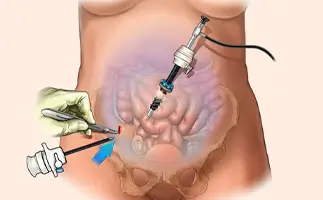
Laparoscopy, also known as keyhole or minimally invasive surgery, is a modern surgical technique that allows doctors to access the inside of the abdomen and pelvis without making large incisions. Instead, a few small cuts (usually 0.5–1 cm) are made, through which a thin telescope with a camera (a laparoscope) and specialized instruments are inserted.
How Does Laparoscopy Work?
The laparoscope projects a magnified, high-definition image of the internal organs onto a monitor. The surgeon performs the operation while viewing this screen, guiding the instruments with great precision. Carbon dioxide gas is gently used to inflate the abdomen, creating space to see and work clearly.
What Conditions Can Be Treated?
- Gallbladder stone removal
- Appendix removal (appendectomy)
- Hernia repair
- Intestinal and colorectal surgery
- Diagnostic procedures to investigate abdominal pain
Benefits of Laparoscopy
- Smaller incisions and minimal scarring
- Less post-operative pain
- Reduced blood loss and infection risk
- Shorter hospital stay
- Faster recovery and return to daily activities
What to Expect
Laparoscopic procedures are typically performed under general anaesthesia and most are completed within one to two hours. Many patients are discharged the same day or the next, depending on the surgery. Your surgeon will provide a personalized recovery plan.