Key Takeaways
- Dr. Bhavin K. Baria offers individualized assessment and surgical care for small and large intestinal disorders.
- Common signs of intestinal disorders include persistent abdominal pain and changes in bowel habits.
- Consulting an intestine surgeon in Ahmedabad can provide valuable insights and treatment options for digestive issues.
- Surgery may be necessary for severe cases like intestinal obstruction or perforation, but not all conditions require it.
- Early medical attention is crucial for persistent digestive symptoms to prevent complications and ensure proper treatment.
Dr. Bhavin K. Baria is an experienced intestine surgeon providing surgical care for small and large intestinal disorders. When persistent abdominal pain, bowel changes, swelling, vomiting, or digestive discomfort begins to affect everyday life, ignoring the symptoms may make the underlying problem harder to manage. The intestine plays a major role in digestion, nutrient absorption, and waste movement, so a disorder affecting this part of the digestive system needs proper medical attention.
Patients searching for an Intestine Surgeon in Ahmedabad often need more than a quick opinion. They need careful assessment, a clear explanation of their condition, and an appropriate treatment plan. Dr. Bhavin K. Baria focuses on understanding the actual intestinal problem before discussing surgical care. Our approach is practical, patient-focused, and based on the individual clinical situation.
Understanding the Small and Large Intestine
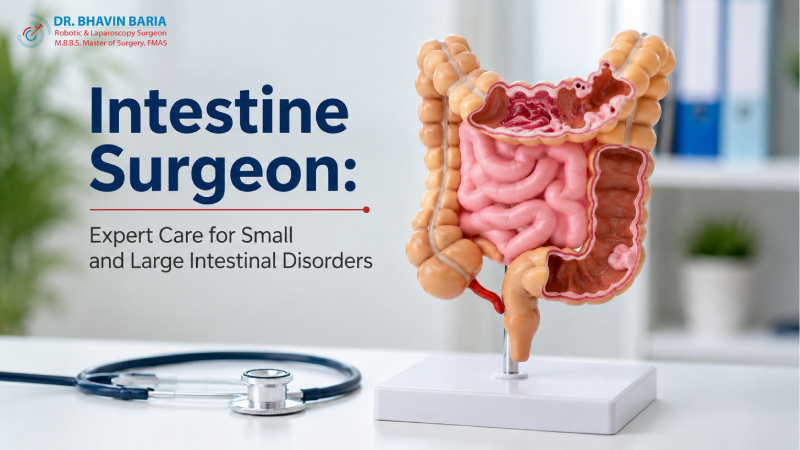
The intestine is a major part of the digestive system and is broadly divided into the small intestine and large intestine. Although both are connected, their roles are different.
The small intestine is mainly involved in digestion and the absorption of nutrients from food. The large intestine absorbs water and supports the formation and movement of stool. A problem in either section may disturb normal digestion and bowel habits.
Some intestinal conditions can be managed with medicines, dietary changes, or regular medical observation. Others may require surgical evaluation, particularly when there is a blockage, structural problem, severe inflammation, perforation, or another condition where an operation is considered medically appropriate.
This is where consultation with an Intestine Doctor In Ahmedabad becomes important. A detailed diagnosis helps identify which part of the intestine is affected and what type of care may be suitable.
Common Signs of an Intestinal Disorder
Intestinal problems do not always begin with severe symptoms. In many cases, discomfort develops gradually or keeps returning. Paying attention to persistent changes can help patients seek medical advice at the right time.
Common symptoms that may require medical assessment include:
- Persistent or recurring abdominal pain
- Abdominal swelling or bloating
- Changes in bowel habits
- Persistent constipation or diarrhoea
- Vomiting, especially with abdominal discomfort
- Difficulty passing stool or gas
- Blood in the stool
- Unexplained changes in appetite
- Unintentional weight loss
- Ongoing digestive discomfort
These symptoms can occur for several reasons and do not automatically mean that surgery is required. Self-diagnosis based only on symptoms may lead to confusion because different digestive conditions can present in similar ways.
Dr. Bhavin K. Baria assesses the patient’s symptoms, medical history, and available investigations before discussing the next step.
Small Intestinal Disorders and Surgical Care
The small intestine is a long section of the digestive tract where much of the digestion and absorption process takes place. A structural or surgical problem affecting it can interfere with normal digestive function.
Intestinal obstruction is one condition that may require urgent assessment. A blockage can prevent food, fluid, or digestive contents from moving normally through the intestine. Symptoms may include abdominal pain, swelling, vomiting, and difficulty passing stool or gas.
Other small intestinal problems may involve inflammation, narrowing, abnormal tissue, injury, or perforation. The exact treatment depends on the diagnosis and severity of the condition.
An Intestine Surgeon in Ahmedabad may evaluate whether conservative treatment is appropriate or whether surgical intervention needs to be considered. The decision is not based on a single symptom. Clinical examination and relevant diagnostic findings play an important role in treatment planning.
Large Intestinal Disorders Need Individual Assessment
The large intestine, also known as the colon, is responsible for absorbing water and supporting normal stool formation. Disorders affecting this area can lead to noticeable changes in bowel habits and abdominal comfort.
Patients may experience constipation, altered stool patterns, abdominal pain, swelling, or rectal bleeding. These symptoms should not be casually ignored when they continue or repeatedly return.
Large intestinal conditions can vary significantly. Some may involve inflammation, obstruction, structural changes, or abnormal growths. The treatment approach depends entirely on the identified condition.
When consulting an Intestine Doctor In Ahmedabad, patients should openly discuss the duration of symptoms, changes in bowel movements, previous abdominal operations, current medicines, and any available reports. Even details that appear minor can be relevant during a medical assessment.
When Is Intestinal Surgery Considered?
Surgery is not the first or only option for every intestinal problem. The need for an operation depends on the underlying condition, its severity, the patient’s health, and how the problem is affecting normal intestinal function.
Intestinal surgery may be considered in selected cases involving:
- Intestinal obstruction: A significant blockage may require surgical treatment when normal movement through the intestine is affected.
- Perforation: A hole or tear in the intestine can be a serious medical condition requiring urgent care.
- Severe structural problems: Narrowing or other physical changes may interfere with normal bowel function.
- Certain abnormal growths: Surgical treatment may be considered depending on the nature, location, and medical assessment of the growth.
- Complications of intestinal disease: Some conditions may develop complications that require surgical evaluation.
The final decision should always follow proper diagnosis. Dr. Bhavin K. Baria discusses the surgical approach according to the patient’s specific intestinal disorder rather than following a standard treatment plan for everyone.
How Is an Intestinal Problem Diagnosed?
A clear diagnosis begins with a detailed medical consultation. We first understand the patient’s symptoms, how long they have been present, and whether they are becoming more frequent or severe.
The doctor may ask about bowel habits, previous abdominal surgery, appetite changes, vomiting, medication use, and other relevant medical conditions.There may also be a physical examination.
Depending on the clinical situation, suitable investigations may be advised by the treating doctor. The purpose is to identify the affected intestinal area and understand the nature of the problem before planning treatment.
Patients visiting an intestinal surgeon in Ahmedabad should bring previous medical records and investigation reports when available. This can give the surgeon useful background about earlier treatment and the progression of symptoms.
Modern Surgical Approach for Intestinal Disorders
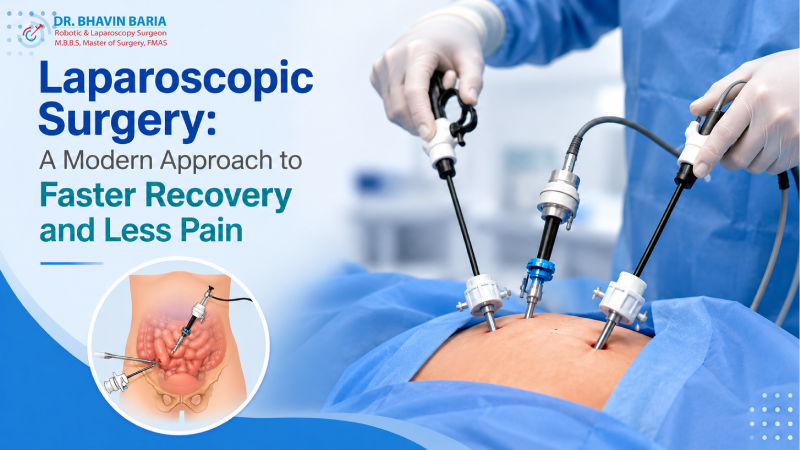
Advances in surgical care have introduced minimally invasive techniques for selected intestinal procedures. Laparoscopic surgery uses small incisions and specialised instruments to access the surgical area.
However, not every intestinal condition can or should be treated through the same surgical technique. The location of the disorder, complexity of the case, previous surgery, and the patient’s overall health can influence the surgical approach.
In certain cases, open surgery may be more appropriate. In others, a minimally invasive procedure may be considered after medical evaluation.
Dr. Bhavin K. Baria focuses on selecting an approach according to the actual condition of the patient. Our goal is to provide clear surgical guidance without creating unrealistic expectations about treatment or recovery.
Recovery After Intestinal Surgery
The post-surgical recovery period of an intestine varies from individual to individual. The kind of procedure, the surgical approach, the general health of the patient, and the nature of the problem in the intestine may affect the recovery time.
Patients will be assessed depending on their specific needs following the surgery. Diet and fluid intakes may be introduced or modified depending on the recommendations of the surgeon and the recovery process of the intestines. Physical activities are resumed slowly.
Patients are expected to adhere to the instructions for wound management, medication, diet, physical activities, and follow-up visits. Patients must refrain from heavy lifting and intense physical activities unless the operating surgeon recommends otherwise.
The Intestine Doctor In Ahmedabad can also advise patients on the symptoms that need medical consultation. Increased abdominal pain, repeated vomiting, fever, abnormality of wounds, or other symptoms should immediately be brought to the notice of the doctors.
Why Early Medical Attention Matters
In some cases, digestive symptoms are taken lightly and attributed to excess gas, acidity, or diet. Although it may be true that many mild symptoms resolve on their own, it is wise for recurring digestive issues to undergo proper evaluation.
It is important to seek an expert’s help right away so that he or she can find out what causes recurring digestive problems. This could even give the physician time to treat the condition depending on its current state and extent.
If you are experiencing severe abdominal pain, swelling, vomiting, or being unable to pass stools or gases, consult a doctor immediately.
Why Choose Us
Dr. Bhavin K. Baria specializes in surgical management and individualized assessment of the small intestine and the large intestine diseases. We recognize the fact that having a bowel problem is something that is difficult to talk about and you could be worried about surgery, recovery, and living with this condition. Our treatment philosophy includes hearing the patient out, assessing the disease condition, and outlining the treatment options in easily understood terms. Not all patients require a specific surgical intervention. Dr. Bhavin K. Baria strives to offer a responsibly and individually tailored approach at each step of care from consultations to surgery and post-operative advice.
Conclusion
Intestinal diseases, whether small or large intestine disease, may lead to problems in the digestive system, bowel movements, general comfort, and lifestyle issues. Persistent abdominal pain, bloating, vomiting, changes in bowel movements, or any other symptom that may be alarming must seek appropriate medical care instead of continual self-treatment. Diagnosis and treatment today can provide adequate assessment of intestinal diseases in terms of their cause and seriousness. Dr. Bhavin K. Baria can give assessment and advice regarding treatment of intestinal diseases as per your particular medical requirements. If an intestinal disease is making your life difficult, you can benefit from consulting him.
Need expert care for small or large intestinal disorders? Call +91 9978920584 or book your appointment with Dr. Bhavin K. Baria for personalised surgical consultation today.
Frequently Asked Questions
What conditions does an intestine surgeon in Ahmedabad treat?
An intestine surgeon in Ahmedabad treats various disorders affecting the small and large intestine, including intestinal obstructions, inflammation, structural abnormalities, and abnormal growths. Each condition requires careful assessment to determine the appropriate treatment plan.
When should I consult an intestine doctor in Ahmedabad?
You should consult an intestine doctor in Ahmedabad if you experience persistent abdominal pain, changes in bowel habits, unexplained weight loss, or ongoing digestive discomfort. Early evaluation can help identify potential issues before they worsen.
How is an intestinal problem diagnosed?
Diagnosing an intestinal problem involves a detailed medical consultation where the surgeon reviews symptoms, medical history, and may conduct a physical examination. Suitable investigations are then advised to identify the affected area and understand the nature of the issue.
What is the recovery process like after intestinal surgery?
Recovery after intestinal surgery varies based on the procedure and the patient’s overall health. It typically involves following specific instructions for diet, wound management, and physical activity, with careful monitoring for any concerning symptoms during the healing process.
Why choose Dr. Bhavin K. Baria as my intestine surgeon in Ahmedabad?
Dr. Bhavin K. Baria specializes in individualized assessment and surgical management of small and large intestine diseases. He prioritizes patient comfort and understanding, ensuring that each treatment plan is tailored to meet specific medical needs and concerns.