
Laparoscopic Surgery in Ahmedabad
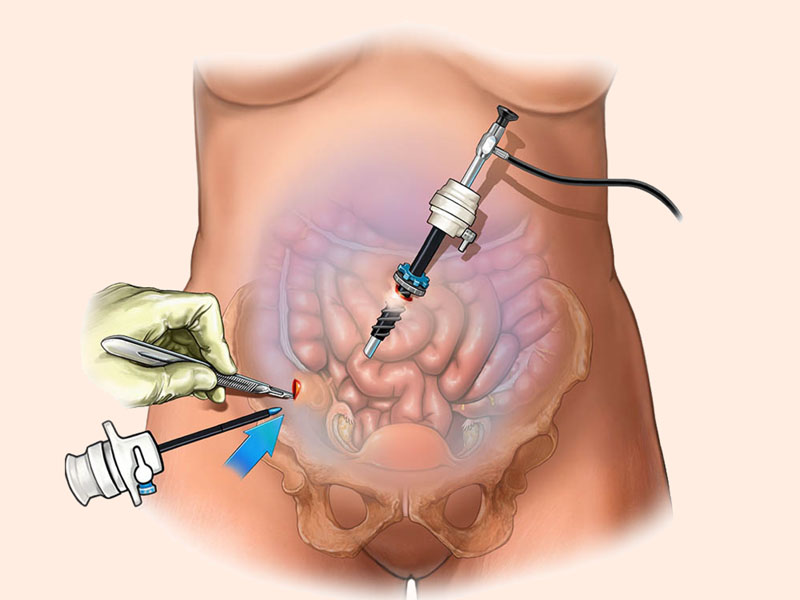
If you are searching for a highly experienced laparoscopic surgeon in Ahmedabad, Dr. Bhavin Baria stands out for his expertise in advanced minimally invasive procedures. With over 14+ years of surgical experience, he has successfully performed a wide range of laparoscopic operations, helping patients achieve faster recovery with minimal discomfort. Laparoscopic surgery, often called minimally invasive surgery, is a modern technique that avoids large abdominal cuts. Instead of one long incision used in traditional open surgery, typically 2–3 small port incisions of 5–10mm each, placed strategically based on the target organ are made. Through these small ports, fine surgical instruments and a high-definition camera called a laparoscope are inserted. To improve visibility and create working space, CO₂ gas to gently expand the abdominal cavity, giving Dr. Baria a clear HD view of the surgical field. The camera provides clear, magnified images on a monitor, allowing the surgeon to operate with accuracy and confidence.
Dr. Bhavin Baria is a trusted laparoscopic doctor in Ahmedabad known for using the latest medical technology and refined surgical techniques. He routinely performs procedures such as gallbladder removal, appendix surgery, and hernia repair using laparoscopic methods. Patients seeking laparoscopic surgery in Ahmedabad benefit from reduced pain, minimal scarring, and shorter hospital stays. With a strong focus on safety and outcomes, Dr. Bhavin Baria offers Advanced Laparoscopic Treatment in Ahmedabad, making minimally invasive surgery a reliable and preferred choice for many patients. Book an appointment today!
When is Laparoscopy Surgery Needed?
- Gallbladder Stone Treatment : Laparoscopy is commonly used to remove the gallbladder when stones cause pain, infection, or digestive problems. The minimally invasive approach helps reduce recovery time.
- Appendix Surgery : For appendicitis, laparoscopic appendix removal allows quicker healing, less post-operative pain, and minimal scarring compared to open surgery.
- Hernia Repair : Laparoscopic techniques are effective for repairing inguinal and abdominal hernias, offering better muscle support and faster return to normal activities.
- Gynecological Conditions : It is widely used for treating ovarian cysts, fibroids, and performing hysterectomy procedures with improved precision and lower complication risk.
- Digestive Organ Surgeries : Laparoscopy is used in selected surgeries of the liver, pancreas, and intestines, especially when accurate access and reduced tissue damage are required.
- Diagnostic Purposes : When imaging tests are unclear, laparoscopy helps doctors directly examine internal organs and confirm a diagnosis safely.
Steps of Laparoscopic Surgery Treatment
- Pre-Surgery Preparation : The process starts with a thorough patient assessment, including medical history, diagnostic tests, and physical examination. This ensures the patient is fit for laparoscopic surgery and helps plan the procedure safely.
- Anesthesia Administration : Depending on the surgery, general or regional anesthesia is given to keep the patient comfortable and pain-free throughout the operation.
- Creating Small Incisions : Tiny incisions are made in the abdomen to place trocars, which act as entry points for the laparoscope and specialized surgical instruments.
- Internal Visualization : A laparoscope with a high-definition camera is inserted through one incision, providing a clear, magnified view of the internal organs on a monitor.
- Surgical Procedure : The surgeon performs the required treatment using advanced laparoscopic tools, allowing precise movements with minimal impact on surrounding tissues.
- Closing the Incisions : After completing the procedure, instruments are removed, and the small incisions are sealed using sutures or surgical adhesive.
- Post-Surgery Recovery : The patient is closely monitored, given recovery guidelines, and advised on medication, activity, and follow-up care for smooth healing.
Benefits of Laparoscopy Surgery
- Most laparoscopic procedures at our centre are done through 3 incisions of 5–10mm each - leaving scars smaller than a fingerprint
- Patients undergoing laparoscopic hernia repair are typically back to light activity within 48–72 hours
- Pain after laparoscopy is significantly less than open surgery - most patients need only oral paracetamol for 2–3 days
- Average hospital stay: 1 day for laparoscopic cholecystectomy, 1–2 days for hernia repair
- Over 12,000 laparoscopic procedures performed by Dr. Baria across Health1 Hospital and Shalby Hospitals
- Return to desk work: 5–7 days. Return to full activity: 2–3 weeks
Types of Laparoscopy Surgery
Depending on the condition, different procedures are performed, such as:
- Diagnostic laparoscopy – to identify internal problems
- Therapeutic laparoscopy – to treat issues like hernia, gallstones, appendix
- Advanced laparoscopy – for complex surgeries with high precision
Laparoscopic Surgery Cost in Ahmedabad
The laparoscopic surgery cost in Ahmedabad depends on the type of procedure, its complexity, and the hospital setup. Minimally invasive laparoscopic techniques support quicker recovery and minimal discomfort. Diagnostic tests and post-operative care may influence the final cost. For accurate pricing and expert guidance, book an appointment with Dr. Bhavin Baria and consult an experienced laparoscopic surgery specialist in Ahmedabad.
Best Laparoscopic Doctor in Ahmedabad
Dr. Bhavin Baria
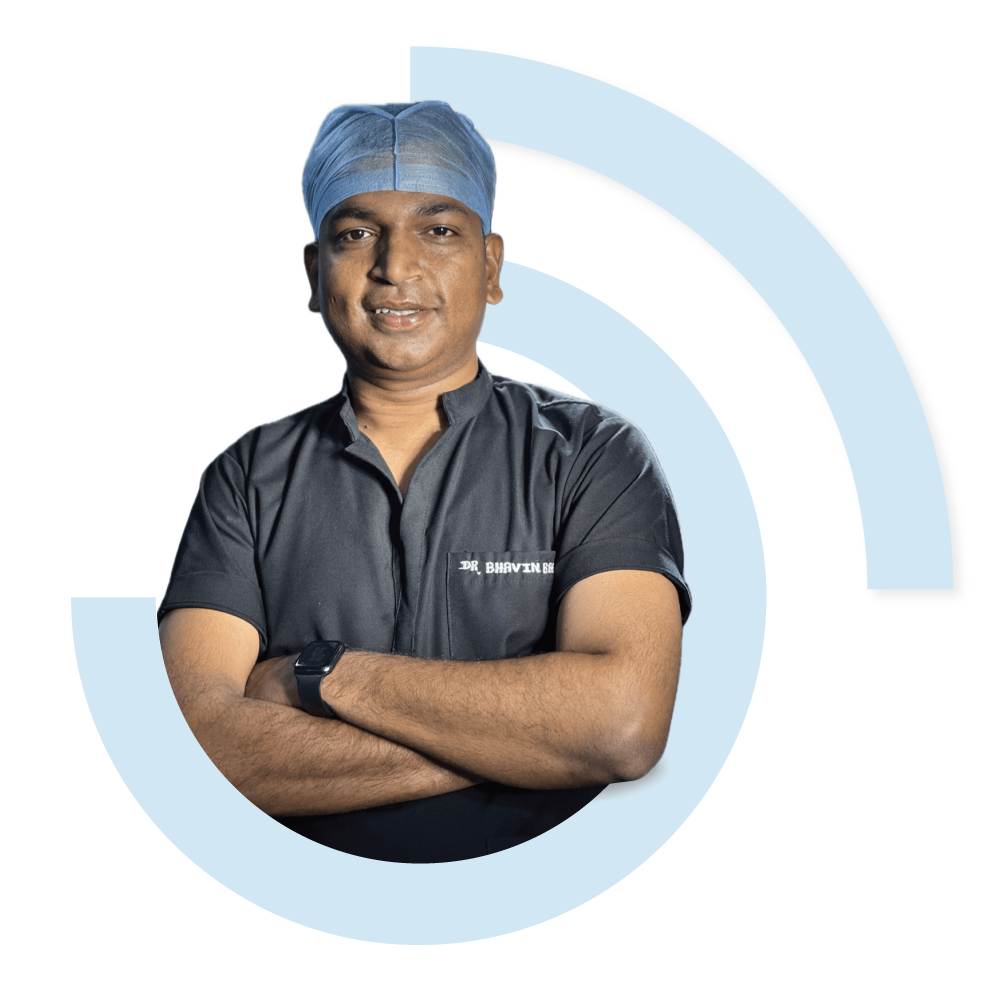
Dr. Bhavin K. Baria is one of the best doctors for laparoscopic surgery in Ahmedabad, known for his expertise and consistent surgical outcomes. With over 14+ years of experience, he has successfully treated more than 12,000+ patients through advanced minimally invasive procedures. His strong clinical skills and patient-first approach have made him one of the preferred laparoscopic surgeons in Ahmedabad. We focus on safe techniques, faster recovery, and minimal discomfort for every patient. If you are planning laparoscopic treatment, book an appointment for laparoscopy surgery with the best surgeons in Ahmedabad
Dr. Bhavin K. Baria is a leading Robotic and Laparoscopy Surgeon in Ahmedabad, Gujarat, specializing in minimal access surgery and complex laparoscopic procedures. With an MS in General Surgery and FMAS certification, he is recognized as one of the best surgeons in Ahmedabad for safe, advanced, and reliable surgical care.
Book Appointment For Laparoscopic Surgeon in Ahmedabad
Frequently Asked Questions
What is laparoscopic surgery and how is it performed?
Laparoscopic surgery, also known as keyhole or minimal access surgery, involves making small incisions through which a camera (laparoscope) and specialized instruments are inserted. The surgeon views real-time images on a screen and performs the operation with precision, causing minimal trauma to surrounding tissues.
What are the common conditions treated with laparoscopy?
Laparoscopy is used for diagnosing and treating various conditions such as gallbladder stones, appendicitis, hernia repair, gynecological issues (like ovarian cysts and hysterectomy), and surgeries involving the liver, pancreas, or intestines.
What are the main benefits of laparoscopic surgery?
The key benefits include smaller incisions, minimal scarring, reduced post-operative pain, shorter hospital stays, faster recovery, and a lower risk of infection compared to traditional open surgery.
Are there different types of laparoscopic surgeries?
Yes. Laparoscopy can be:
Diagnostic – to examine internal organs and identify issues.
Therapeutic – to treat conditions like hernias, gallstones, or appendicitis.
Advanced – for complex surgeries requiring higher precision and expertise.
Is laparoscopic surgery safe and suitable for everyone?
Laparoscopic surgery is generally very safe and widely used. However, its suitability depends on the patient’s overall health, medical history, and the specific condition being treated. Your surgeon will evaluate your case and recommend the best surgical approach.
- Shilaj
- Thaltej
- Science City
- Sola
- Gota
- Hebatpur
- Bopal
- Ambli
- Satellite
- Prahlad Nagar
- Vastrapur
- Sindhu Bhavan Road
- South Bopal
What Our Patients Say
Watch real stories from our patients sharing their experiences with laparoscopic and robotic surgeries, and how our care helped them recover safely and confidently.